About this course
Course Overview
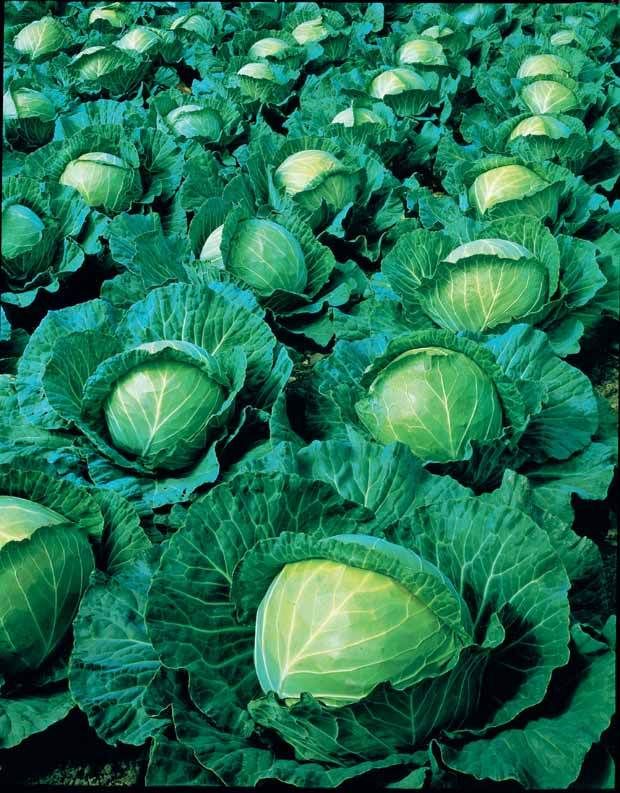
Cabbage is one of the most widely cultivated and consumed vegetables in Kenya, playing a vital role in both food security and the livelihoods of farmers. Despite its significance, cabbage farmers continue to face numerous challenges, including market fragmentation, pest and disease pressures, and the effects of climate change. This course is designed to equip farmers and agricultural professionals with sustainable farming practices that not only enhance yields but also address these challenges throughout the year.
The course covers key aspects of cabbage farming, including best practices for planting and transplanting, ensuring efficient establishment of crops in diverse conditions. Fertilizer and compost manure application will be addressed to help learners understand the role of nutrients in enhancing cabbage growth. Crop care and management techniques, such as pest and disease control, irrigation, and weed management, will ensure the sustainability and health of cabbage crops
It is an essential resource for both smallholder and large-scale farmers looking to optimize yields and adopt more sustainable practices. Agricultural students and professionals will gain valuable insights that complement their academic and research endeavors. Moreover, agricultural scientists and researchers will find this manual a useful reference for best practices and innovations in maize production, supporting their ongoing work and contributions to the field.
Course Objectives
To provide an understanding of cabbage production in Kenya, covering key agricultural practices and regional considerations.
To strengthen skills in sustainable cabbage production techniques, promoting environmentally friendly and climate-resilient farming practices.
To provide a detailed overview of the current landscape of cabbage production in Kenya, including trends and challenges.
To build proficiency in post-harvest management, with a focus on strategies for reducing losses and improving food safety.
Expected outcomes
Improved understanding of cabbage production in Kenya, including region-specific practices and environmental considerations.
Strengthened capacity to implement sustainable practices along the cabbage value chain, promoting climate resilience and environmental sustainability.
Enhanced skills in applying best post-harvest strategies, effectively minimizing losses and waste maintaining quality.
Increased ability to identify and analyze gaps in cabbage production, fostering opportunities for further research and innovation.
Target audience.
Smallholder farmers
Comments (0)
This module provides an overview of cabbage as a vital crop in Kenya's agricultural landscape. It highlights the nutritional value of cabbage, emphasizing its role in promoting human health through its rich content of vitamins, minerals, and dietary fiber. Learners will explore the crop's optimal growing conditions, including suitable soil types, climate requirements, and the importance of proper water management.
This module focuses on key agricultural practices essential for successful cabbage cultivation. It begins by introducing different cabbage varieties, helping farmers choose the best type for their growing conditions and market needs. The module covers the critical steps involved in seedling production, emphasizing the importance of healthy, strong seedlings as the foundation for a productive crop. Land preparation techniques are also discussed, ensuring the soil is well-prepared for optimal plant growth. Additionally, common mistakes made by farmers during seedling production are highlighted, providing practical solutions for improvement.
This module provides essential guidance on maintaining healthy cabbage crops through effective plant protection strategies. Learners will explore common pests and diseases that threaten cabbage production, as well as the damage they can cause. The module also covers a range of control measures, including integrated pest management (IPM) and the responsible use of pesticides. By understanding and applying these techniques, farmers can minimize crop death, and optimize their yields.
This module covers the essential steps for harvesting cabbage to ensure both quality and safety. Learners will be guided on the correct harvesting methods and the ideal time to harvest, ensuring the produce is fresh, nutritious, and safe for consumers. Additionally, the module addresses post-harvest handling techniques such as proper cleaning, packaging, and storage methods to minimize spoilage, maintain quality, and meet market standards. These practices are critical for maximizing profits and ensuring the delivery of safe produce to consumers.