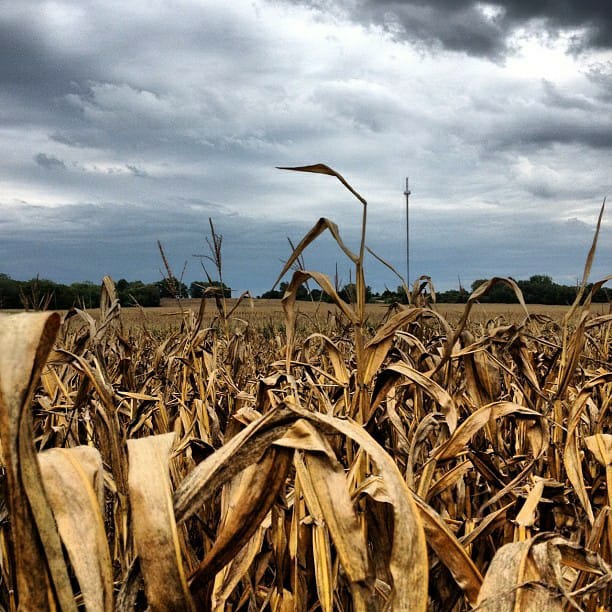
Food security is a global need that many countries especially in Sub-Saharan Africa fall short to meet. Food security is a multidimensional system comprising four main facets; Food production, food consumption, Food nutrition, and human health. The United Nation defines food security as “Food security exists when all people, at all times, have physical and economic access to sufficient, safe and nutritious food that meets their dietary needs and food preferences for an active and healthy life”. Africa has been the most vulnerable continent to the effects of climate change, with seven of the 10 most affected countries being in Africa.
There are 4 dimensions of food security namely: Stability, Availability, Utilization, Physical and Economic access.
Food availability
Food availability refers to the presence of sufficient quantities of safe, nutritious food within a country or region.
Food availability is greatly affected by climate change directly or indirectly.
Direct Effects:
Low crop and livestock Yields - Climate change can lead to more frequent extreme weather events directly affecting crop growth and animal productivity. Poor yields reduce the amount of food available both for household consumption and for sale in markets.
Degradation of Fertile Land and Water Resources: The availability of arable land and water for irrigation is vital for food production. Climate change can degrade land quality through desertification and soil erosion while also diminishing water resources, essential for both crop and livestock production. This results in low crop yields.
Indirect Effects:
Economic effects - Climate change negatively impacts economic growth, particularly in agriculture-dependent economies. Declining productivity leads to reduced income for farmers, making food more expensive in the markets. This creates pricing instability, making food less accessible.
Disruption of Food Supply Chains - Extreme weather events and changing climate patterns can disrupt transportation and distribution of food, further limiting the availability of food in local markets.
2. Food accessibility
Food accessibility refers to whether households and individuals are able to physically and economically access sufficient, safe, and nutritious food. This dimension assesses whether there are adequate resources to purchase enough quality food and whether food is readily available in local markets.
Impact of Climate Change on Food Accessibility:
Climate change poses significant risks to livelihoods, particularly for rural households that depend on agriculture. Extreme weather events reduce agricultural productivity, leading to unsustainable livelihood for farmers and reduced employment opportunities in agricultural sectors. As a result, households have less money to purchase safe, nutritious, and adequate quantities of food, exacerbating food insecurity. Climate change also disrupts food supply chains by damaging infrastructure like roads and transportation systems. This limits access to food markets, particularly in remote areas, making it harder for individuals to physically access available food.
3. Food stability - Food stability refers to the consistent availability, accessibility, and utilization of food over time.
Impact of Climate Change on Food Stability
Climate variability, including changes in the frequency and intensity of extreme weather events poses a risk to the sustainability of food security. These unpredictable changes disrupt food production systems, leading to inconsistent crop yields and reduced livestock productivity.
4. Food utilization - refers to the body’s ability to make the most of the nutrients in food for good nutritional status. It comprises not only the biological use of food but also the hygienic preparation of meals and the quality of water used in food preparation.
Impact of Climate Change on Food Utilization
Climate change negatively affects food utilization by reducing the nutrient content of crops grown in degraded soils, leading to less nutritious food. Additionally, as livelihoods and incomes decline due to climate-related factors, individuals may be forced to consume lower-quality and less safe food, as they are unable to afford healthier food. This situation contributes to a deterioration in nutritional status, particularly in vulnerable populations, and increases the risk of malnutrition. Furthermore, access to clean water for food preparation becomes more challenging as water resources are affected by climate variability, further compromising food safety and utilization.
Climate change is significantly undermining food security, making it essential to adopt Climate-Smart Agriculture (CSA) practices. These practices not only enhance agricultural productivity but also ensure sustainability, profitability, offering a resilient food system.