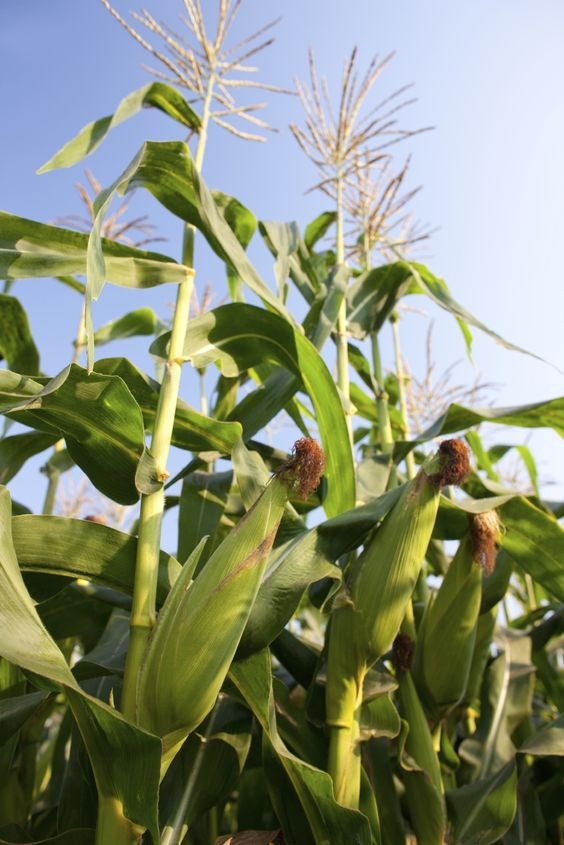
Introduction to Sustainable Agriculture in maize production
Maize production in Kenya Sustainable agriculture focuses on meeting the high demand of maize for trade and food security protecting the soil and the environment.
Sustainable agriculture in Maize Production emphasizes practices that balance productivity with environmental health and productivity.
Key Components
Economic Growth: Ensuring high productivity and quality in maize production to support sustainable household livelihoods and contribute to national trade.
Environmental Health: Reducing greenhouse gas emissions and minimizing land degradation through sustainable maize farming practices that prioritize long-term ecological balance.
Social Equity: Promoting inclusive farming practices that benefit entire farming communities, fostering equitable access to resources and opportunities. There is a great need for capacity building of maize production at the grass root levels.
Food Security: As one of Kenya's most consumed cereals, sustainable maize production is vital for ensuring a reliable and consistent supply of maize to meet the country's food needs.
Policy and laws: Effective policies play a crucial role in shaping sustainable maize production. Government regulations and policies are needed to support research and innovation in sustainable farming techniques, provide subsidies or incentives for smallholder farmers, and implement standards that promote environmental protection and market opportunities.
Key sustainable practices
Soil Health Management in Maize Production
Poor soil health results in low maize yields.
To improve soil fertility the following practices should be conducted;
Organic matter addition
Cover cropping
Crop rotation
Soil erosion control
Water Conservation Practices in Maize Production
Climate change effects such as drought affects maize yields.
The following practices are recommended for water conservation;
Rainwater Harvesting; Methods to capture and store rainwater for maize production during dry spells.
Drought-Resistant Maize Varieties; Utilizing maize varieties that require less water and are more resilient to climate change effects. Research is needed for production of drought resistant maize varieties.
Soil Moisture Retention Techniques; Using techniques such as mulching and zero tillage to maintain soil moisture.
Crop Rotation and Intercropping in Maize Production
Crop Rotation & Intercropping: Planting maize alongside other crops, such as beans or groundnuts, to maximize land use and improve pest management to enhance soil fertility, reduced pest pressure, and improved biodiversity on the farm.
Integrated Pest Management in Maize Production
IPM is a sustainable approach to managing pests along the maize chain integrating biological, cultural, and mechanical control methods.